Material Honesty in Architecture: Why Natural Materials Age Better Than Trends
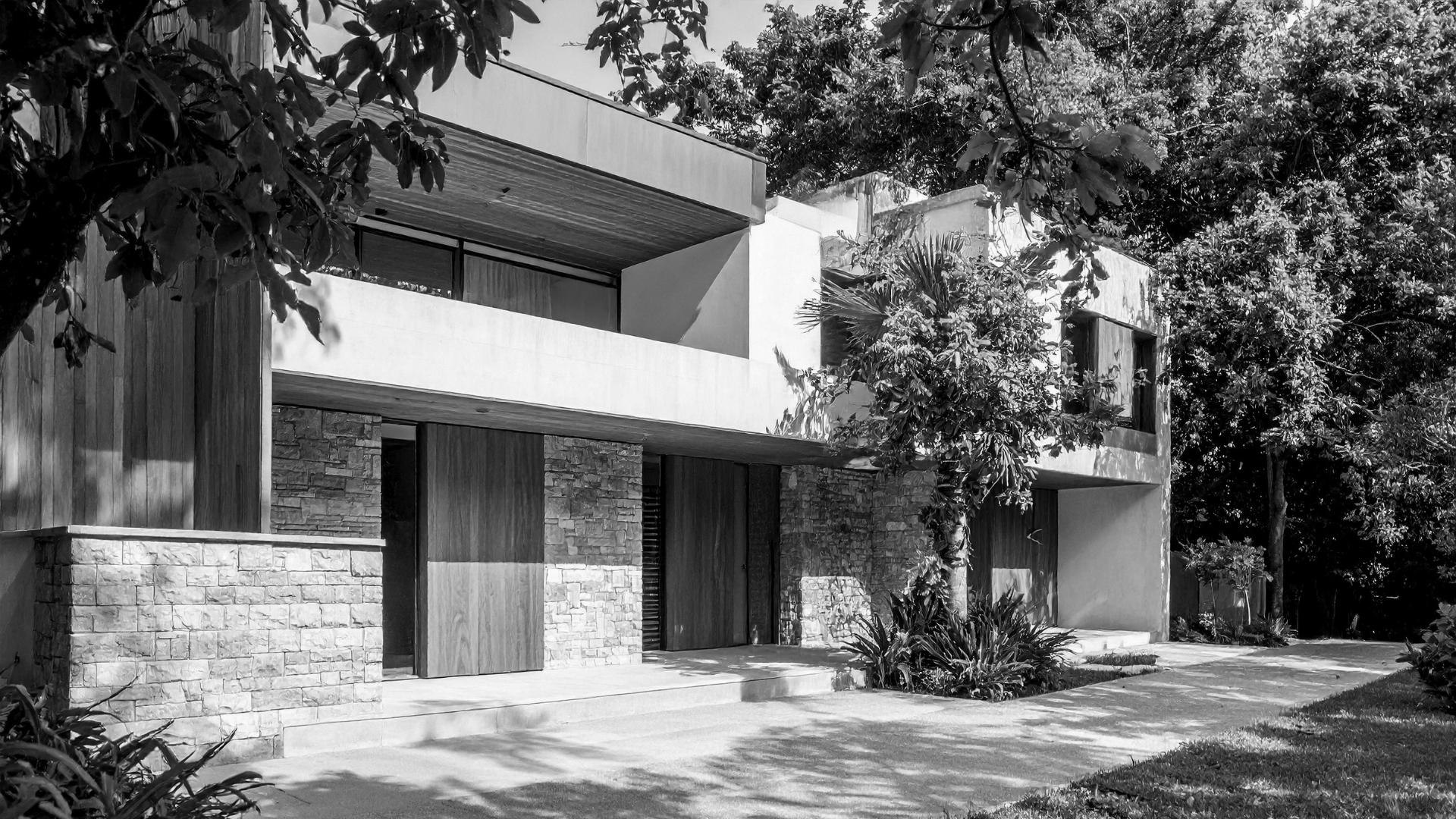
Walk through a century-old stone building, and you'll notice something remarkable.
The walls carry marks of time.
The timber has deepened in colour.
The stone has softened with age.
The materials haven't lost their beauty—they've gained character.
Now compare that with a building covered in trend-driven finishes. Within a decade, surfaces begin to peel, colours fade, and once-fashionable materials quickly feel dated.
The difference isn't simply maintenance.
It's philosophy.
Material honesty is the belief that architecture should celebrate the true nature of materials rather than conceal or imitate them. Instead of treating stone, brick, timber, or concrete as decorative elements, this approach allows each material to express its inherent qualities—its texture, strength, imperfections, and relationship with time.
At Studio Sadrsya, materials are not selected for appearance alone. They are understood as living elements that shape atmosphere, evoke emotion, and reveal the identity of a place. The studio believes architecture should express the intrinsic character of materials through thoughtful detailing, craftsmanship, and context-sensitive design.
What Is Material Honesty?
Material honesty is one of the fundamental principles of timeless architecture.
Simply put, it means allowing a material to be exactly what it is.
Concrete should not pretend to be marble.
Wood should not imitate stone.
Brick should not be hidden beneath unnecessary finishes.
Every material possesses its own texture, colour, structural behaviour, and ageing process.
Rather than disguising these qualities, honest architecture celebrates them.
This creates buildings that feel authentic because every element performs both structurally and visually.
Nothing feels artificial.
Nothing exists purely for appearance.
Why Natural Materials Feel Different
People instinctively respond to natural materials.
A rough stone wall.
The warmth of timber.
The texture of handmade brick.
The coolness of exposed concrete.
These materials engage more than just our eyes.
They appeal to touch, sound, temperature, and memory.
Unlike synthetic finishes, natural materials possess subtle imperfections that make every surface unique.
No two stones are identical.
No timber grain repeats itself.
No handmade brick carries exactly the same texture.
These variations create depth that manufactured products often struggle to replicate.
Architecture becomes richer because it feels genuine.
Buildings Should Age, Not Expire
Every material changes with time.
The question is whether those changes enhance the architecture or diminish it.
Natural materials mature gracefully.
Stone develops a softer texture.
Timber acquires a rich patina.
Copper changes colour.
Concrete records subtle traces of weather and time.
These transformations tell the story of the building.
Trend-driven finishes often behave differently.
Glossy laminates lose their appeal.
Artificial veneers begin to peel.
Painted textures become dated.
Expensive decorative materials frequently require replacement to remain fashionable.
Material honesty accepts ageing as part of architecture.
Rather than resisting time, it embraces it.
Material Selection Begins with Context
The best material for one project may be entirely unsuitable for another.
Climate.
Landscape.
Culture.
Craftsmanship.
Availability.
All influence how materials perform.
A coastal home responds differently from a house in a dry climate.
Mountain architecture requires different considerations than urban residences.
At Studio Sadrsya, context is the foundation of every design decision. Rather than imposing a predetermined style, the studio studies climate, landscape, local craftsmanship, and cultural narratives to create architecture that belongs to its surroundings.
Material selection therefore becomes a response to place—not simply an aesthetic preference.
Concrete Is Beautiful Because It Is Concrete
Few materials have been misunderstood as much as concrete.
For decades, exposed concrete was considered unfinished.
Today, it has become one of the defining materials of contemporary architecture.
Its appeal lies not in decoration but in honesty.
Concrete expresses structure.
It records the imprint of formwork.
It changes with light throughout the day.
Its imperfections become part of its identity.
When detailed with care, exposed concrete creates spaces that feel calm, monolithic, and enduring.
Its beauty comes from authenticity—not ornament.
Brick Carries Memory
Brick has shaped architecture across cultures for centuries.
Its warmth, texture, and scale create environments that feel familiar and deeply human.
Unlike perfectly manufactured surfaces, brick celebrates variation.
Subtle shifts in colour.
Irregular edges.
Visible mortar joints.
These qualities create richness without excess.
Brick walls also respond beautifully to changing daylight, revealing new shadows and textures as the sun moves.
They remind us that architecture is experienced over time, not in a single photograph.
Stone Connects Architecture to the Earth
Stone has always represented permanence.
It grounds buildings within their landscape and carries a sense of timelessness few materials can match.
Whether used structurally or as a carefully detailed finish, stone ages with dignity.
Its surface becomes richer through weather.
Its texture softens.
Its colour deepens.
Unlike artificial alternatives, stone rarely feels outdated because it belongs to nature itself.
Every piece carries a geological history that cannot be manufactured.
Timber Brings Warmth to Contemporary Spaces
Modern architecture is often associated with concrete, steel, and glass.
Timber introduces balance.
Its warmth softens minimalist spaces.
Its natural grain adds visual richness.
Its tactile quality encourages human connection.
As timber matures, it develops depth rather than deterioration.
It becomes part of the home's story.
Used thoughtfully alongside stone, brick, and concrete, timber creates environments that feel both contemporary and welcoming.
Craftsmanship Gives Materials Their Voice
Materials alone do not create meaningful architecture.
Craftsmanship reveals their potential.
The precision of a stone joint.
The alignment of brickwork.
The finish of exposed concrete.
The detail where timber meets steel.
These moments determine whether materials feel authentic or superficial.
At Studio Sadrsya, craftsmanship is inseparable from architecture. Every design decision is guided by careful observation, rigorous research, and thoughtful detailing, allowing materials to express their true character.
When craftsmanship is respected, architecture gains permanence.
Why Trends Fade But Honest Materials Endure
Architecture, like fashion, experiences trends.
Glossy finishes.
Artificial textures.
Statement walls.
Highly polished surfaces.
Many enjoy brief popularity before becoming outdated.
Natural materials behave differently.
Stone remains stone.
Brick remains brick.
Timber remains timber.
Their appeal does not depend on changing tastes because their beauty is rooted in authenticity.
Material honesty frees architecture from the pressure of constant reinvention.
Instead of chasing trends, it creates buildings that remain relevant for generations.
Sustainability Begins with Lasting Materials
The most sustainable building is often the one that doesn't need replacing.
Natural materials typically have longer lifespans than many synthetic alternatives.
They can often be repaired rather than discarded.
They weather naturally.
They require fewer cosmetic replacements.
When sourced responsibly and used thoughtfully, materials like stone, brick, timber, and concrete contribute to architecture that remains functional and beautiful for decades.
Longevity itself becomes an act of sustainability.
Rather than designing for the next trend cycle, architects design for future generations.
Material Honesty Is About Respect
Respect for the material.
Respect for craftsmanship.
Respect for context.
Respect for time.
Material honesty reminds us that architecture does not become timeless through expensive finishes or decorative excess.
It becomes timeless when every element has purpose.
At Studio Sadrsya, architecture is guided by authenticity rather than spectacle. The studio seeks to reveal the essence of place through honest materials, tectonic clarity, and thoughtful spatial experiences, creating buildings that feel enduring, contextual, and deeply connected to the people who inhabit them.
Because the most beautiful buildings are rarely the ones trying hardest to impress.
They are the ones that simply allow their materials to speak.
Frequently Asked Questions
What is material honesty in architecture?
Material honesty is the practice of allowing construction materials such as stone, brick, timber, and concrete to express their natural appearance, texture, and structural qualities rather than disguising or imitating other materials.
Why are natural materials considered timeless?
Natural materials age gracefully, develop character over time, and remain relevant regardless of changing design trends. Their authenticity gives buildings a lasting sense of quality.
Is exposed concrete suitable for residential architecture?
Yes. When detailed carefully, exposed concrete creates durable, low-maintenance spaces with a refined and timeless aesthetic.
How does material honesty support sustainability?
Buildings designed with durable, authentic materials often require fewer replacements and renovations over time, reducing waste and extending the life of the architecture.
About Studio Sadrsya
At Studio Sadrsya, architecture begins with understanding the essence of a place. Through context-sensitive design, material honesty, and meticulous craftsmanship, the studio creates residential, hospitality, institutional, and interior spaces that are timeless, authentic, and built to age with grace. Every project is an exploration of how light, material, and human experience come together to create architecture that belongs.
Research